Seasonal Wildlife Issues Homeowners Should Watch For
Local service providers can help homeowners address seasonal wildlife issues by safely removing animals and preventing future intrusions during vulnerable times of the year.
Homeowners in the area who are attentive to seasonal wildlife issues should stay informed about the common challenges that arise throughout the year. As animals adapt to changing weather patterns and natural conditions, they may seek shelter in attics, crawl spaces, or other parts of a property, potentially causing damage or creating health concerns. Being aware of these seasonal patterns can help property owners take proactive steps to protect their homes and avoid costly repairs. Local contractors who specialize in wildlife removal can provide practical solutions to address these issues effectively, ensuring that unwanted visitors are managed safely and humanely.
Keeping an eye on seasonal wildlife issues is essential for maintaining a safe and comfortable home environment. Different times of the year bring different animals into proximity with residential properties, from nesting birds in spring to raccoons searching for warmth in winter. Understanding these patterns can help homeowners recognize early signs of wildlife intrusion and seek assistance from experienced service providers. These local experts can offer tailored wildlife removal services, helping to prevent damage and minimize the risk of pests becoming a persistent problem. Keep reading to learn more about what to watch for and how local professionals can help keep your home secure.
- Bird nesting removal - homeowners should watch for signs of active nests in eaves and vents during spring and early summer, with local contractors safely removing nests to prevent future issues.
- Squirrel entry repairs - when squirrels are suspected to be entering attics or walls, local service providers can identify entry points and securely seal them to deter re-entry.
- Bat exclusion services - during late summer and early fall, experts can assess and implement humane exclusion methods for bats roosting in attics or building cavities.
- Raccoon removal - homeowners noticing raccoons in chimneys or rooflines should seek assistance from local pros to safely remove animals and secure the property.
- Skunk control solutions - when skunks are digging near foundations or under decks, local contractors can trap and relocate animals while advising on exclusion measures.
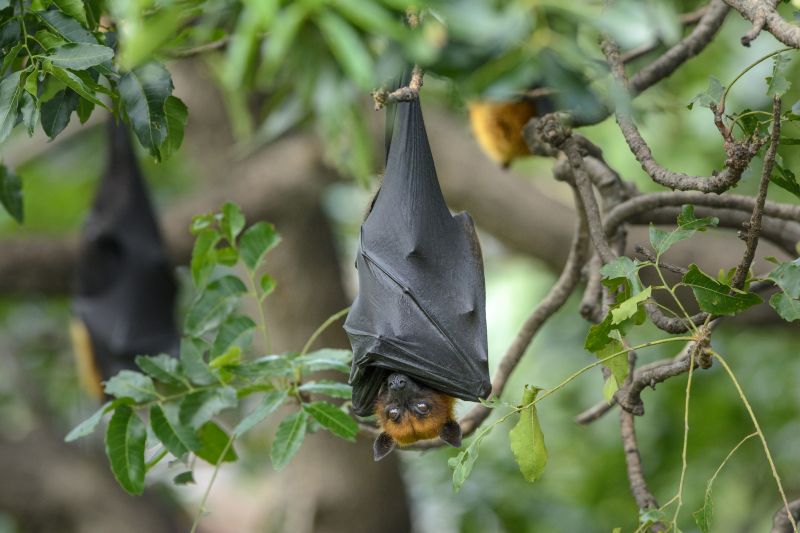
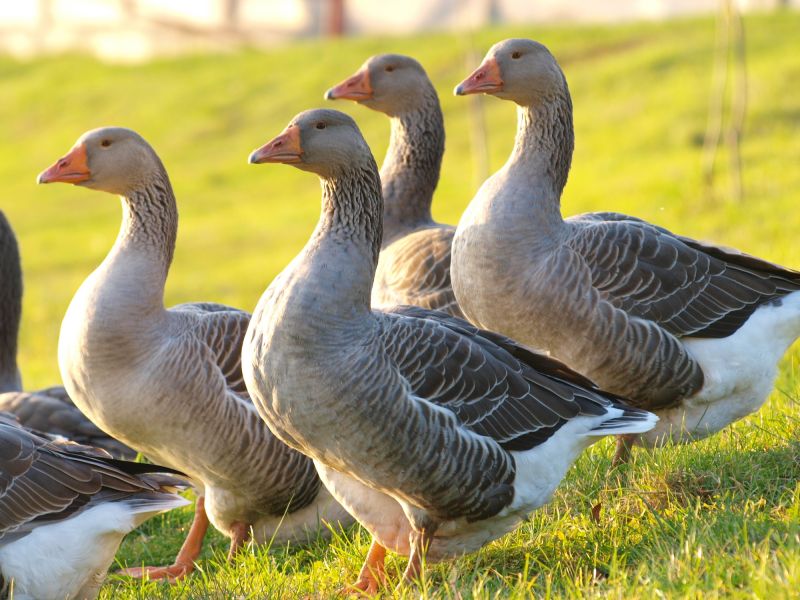
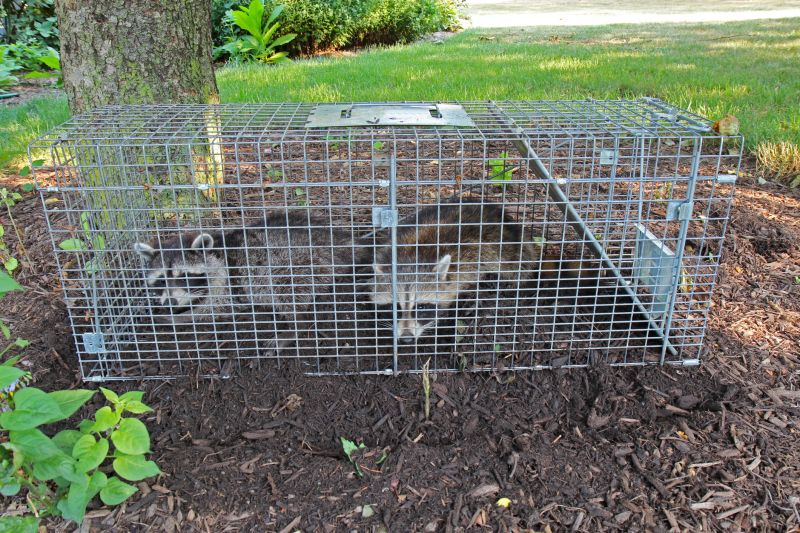
Seasonal wildlife issues homeowners should watch for often relate to the natural behaviors and migration patterns of local animals during different times of the year. Many homeowners search for this topic when they notice unusual activity around their property, such as animals entering attics, garages, or crawl spaces, or when they observe signs of nesting or droppings. These issues are typically connected to animals like birds, raccoons, squirrels, bats, or skunks, which tend to become more active or seek shelter as seasons change. Understanding these seasonal patterns helps homeowners anticipate potential problems and plan for wildlife removal or prevention measures before minor issues escalate into more significant property damage or health concerns.
The kinds of problems associated with seasonal wildlife issues often involve animals gaining access to homes or structures, creating nests, or causing property damage. For example, during spring and summer, birds and bats may seek out warm, sheltered areas to raise their young, leading to nesting in vents, eaves, or attics. In fall and winter, animals like raccoons or squirrels might look for cozy spots to overwinter, sometimes entering through small openings or damaged areas. Homeowners may also notice increased noise, foul odors, or droppings, which can signal an active infestation. Planning for wildlife removal or exclusion becomes a key part of seasonal property maintenance, and local service providers can help address these issues safely and effectively.
Certain types of properties are more prone to seasonal wildlife issues, especially those with accessible entry points or older structures. Homes with damaged roofing, gaps in siding, or poorly sealed vents are common targets for animals seeking shelter during seasonal shifts. Rural or semi-rural properties, as well as those near wooded areas or water sources, tend to experience more frequent encounters with wildlife. Additionally, properties with unprotected chimneys, unused barns, or sheds can become hotspots for nesting or hiding animals. Recognizing these property features helps homeowners understand where to focus prevention efforts and when to seek assistance from local contractors experienced in wildlife exclusion and removal.
Local pros who specialize in seasonal wildlife issues play a crucial role in helping homeowners manage these challenges. They can perform inspections to identify vulnerable areas, safely remove animals, and implement exclusion measures to prevent future invasions. These service providers are familiar with the behavior of local wildlife and the best practices for humane and effective removal. By addressing seasonal wildlife issues promptly, homeowners can protect their property from damage, reduce health risks, and minimize the inconvenience caused by unwanted animal visitors. Connecting with experienced local contractors ensures that the problem is handled professionally, with solutions tailored to the specific seasonal challenges faced in the area.
Bird Control Projects - These projects involve installing bird deterrents and exclusion devices, which are similar to wildlife removal efforts focused on preventing animals from entering homes during seasonal migrations.
Attic Restoration and Insulation - Repairing and upgrading attic spaces is related, as it often follows wildlife intrusion to restore insulation and prevent future issues caused by seasonal wildlife activity.
Gutter and Roof Maintenance - Cleaning and repairing gutters and roofs helps prevent animals like raccoons and squirrels from nesting, aligning with seasonal wildlife issues homeowners should watch for.
Exclusion and Repair Services - These involve sealing entry points and repairing damage, which are key components in managing seasonal wildlife issues and preventing animal invasions.
Rodent Proofing Services - These projects focus on sealing homes against mice and rats, a common concern during certain seasons when rodent activity increases.
Pest Prevention Landscaping - Modifying landscaping to reduce habitat attraction complements wildlife removal efforts by discouraging animals from nesting near homes during seasonal changes.
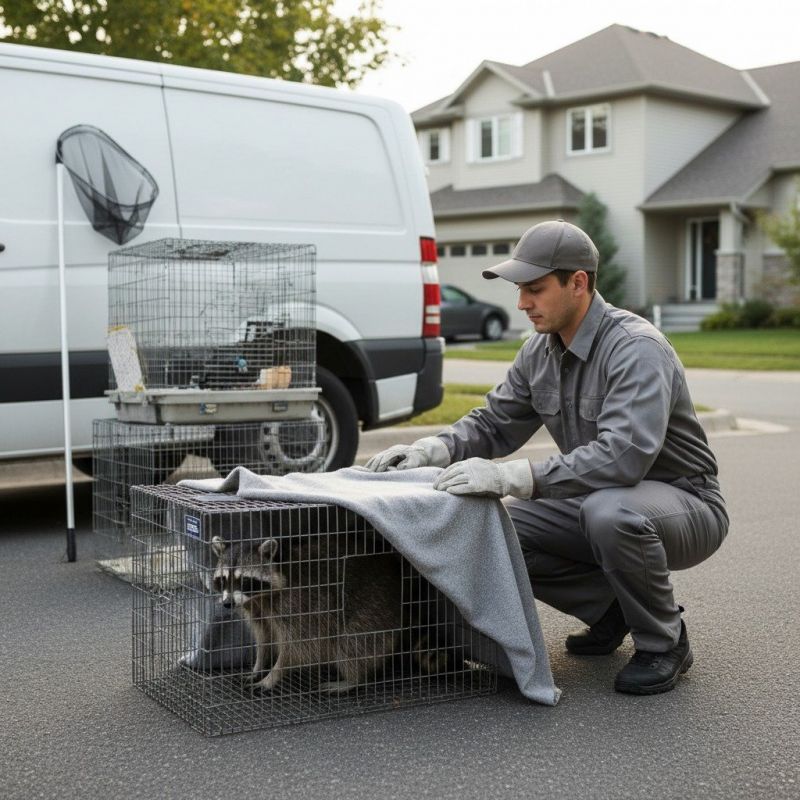
When comparing local contractors for seasonal wildlife removal, it is important to consider their experience with similar projects. Homeowners should look for service providers who have a proven track record handling wildlife issues specific to their region and the seasonal challenges that come with it. An experienced contractor will understand the behaviors of local wildlife and be familiar with effective removal and prevention techniques, which can contribute to a more efficient and thorough job. Gathering information about their past projects or asking for examples of previous work can help determine if a contractor has the necessary background to address seasonal wildlife issues effectively.
Clear written expectations are essential when choosing a wildlife removal service. Homeowners should seek providers who can offer detailed descriptions of their methods, what the removal process entails, and any follow-up steps that may be necessary. Transparent communication about the scope of work helps ensure that both parties are aligned on the services to be provided and reduces misunderstandings. Service providers who take the time to outline their approach in writing demonstrate professionalism and a commitment to clarity, making it easier for homeowners to assess whether their practices meet expectations.
Reputable references and good communication are key factors to consider during the selection process. Homeowners can request references or reviews from previous clients to gain insight into the quality of service and reliability of local contractors. Additionally, responsive and clear communication throughout the inquiry process can indicate how well a service provider understands customer needs and is willing to address questions or concerns. Choosing a wildlife removal professional who communicates effectively and has positive references can help ensure that seasonal wildlife issues are managed thoroughly and with professionalism.
Property owners often search for seasonal wildlife issues homeowners should watch for when they are planning practical projects around their homes and businesses. Local pros provide Seasonal Wildlife Removal services for everyday jobs and straightforward project options.
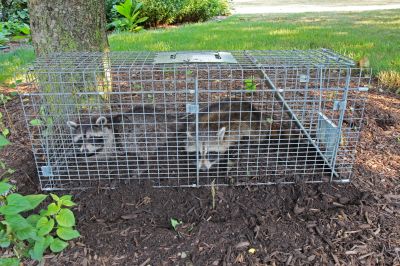
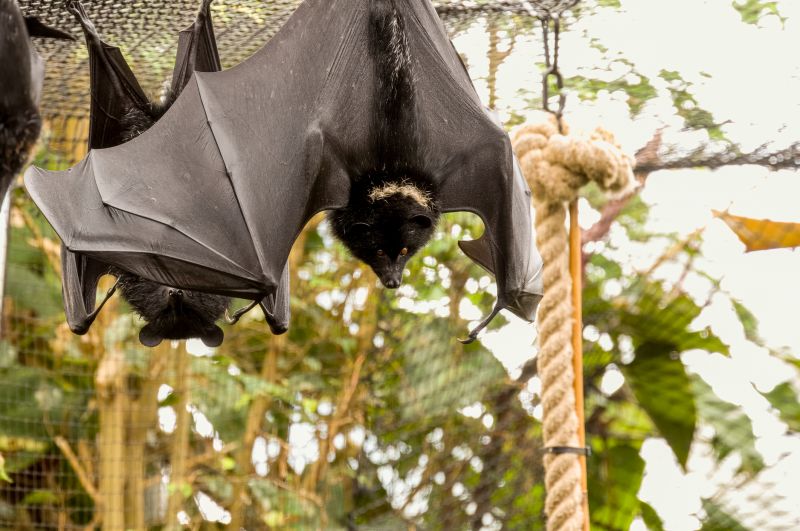
As the seasons change, homeowners often notice an increase in wildlife activity around their properties. During certain times of the year, animals such as squirrels, raccoons, and birds may seek shelter in attics, crawl spaces, or around rooflines, leading to potential property damage or health concerns. Recognizing signs like unusual noises, droppings, or damage to vents and siding can help homeowners identify emerging issues early. Local contractors specializing in seasonal wildlife removal are equipped to handle these situations, providing safe and effective solutions to prevent animals from establishing permanent nests or causing further harm.
Seasonal wildlife issues homeowners should watch for often coincide with specific times of the year when animals are more active or seeking shelter for breeding or hibernation. For example, spring and fall are common periods for animals to move into attics or wall cavities. Property owners noticing entry points, chewed wiring, or signs of nesting can benefit from consulting local service providers experienced in wildlife exclusion and removal. These professionals can assess the property, remove unwanted visitors, and help secure vulnerable entry points to prevent future invasions, ensuring the safety and integrity of the home throughout the seasons.
What are common signs of seasonal wildlife issues homeowners should watch for? Homeowners should look for signs like droppings, chewed wires or insulation, strange noises in the attic or walls, and sightings of animals near the home as indicators of seasonal wildlife problems.
When do wildlife typically become active around homes during different seasons? Wildlife activity often increases in spring and fall, with animals seeking shelter or food, making these times critical for homeowners to monitor for potential issues.
How can homeowners prevent wildlife from entering their homes during seasonal changes? Proper sealing of entry points, removal of food sources, and maintaining yard cleanliness can help prevent animals from seeking shelter inside homes during seasonal transitions.
What types of wildlife are most likely to cause issues during specific seasons? Rodents and squirrels are common in fall and winter, while birds and raccoons may be more active in spring and summer, potentially causing damage or health concerns.
Why should homeowners consider professional seasonal wildlife removal services? Local service providers can safely and effectively address wildlife issues, ensuring that animals are removed humanely and entry points are properly sealed to prevent future problems.
Inspect Vents and Chimneys - homeowners can regularly check vents and chimneys for signs of animal entry and work with local contractors to secure these openings before wildlife becomes a problem.
Seal Gaps and Cracks - identifying and sealing small gaps around the home can prevent seasonal wildlife issues, with local pros providing expert repairs and proofing services.
Manage Food Sources - removing accessible bird feeders or securing trash cans can reduce attracting wildlife, and local service providers can advise on effective exclusion techniques.
Monitor Attic and Roof Areas - routinely inspecting attic spaces and rooflines helps catch early signs of wildlife intrusion, with local contractors offering targeted removal and prevention solutions.
If you are thinking about seasonal wildlife issues homeowners should watch for for a property, this guide is meant to help you understand this topic, the typical project types, and how different options might fit your plans.
When you are ready, you can use the quote form on this page to share a few details about your project. From there, local pros can review the basics and follow up with options that match what you have in mind.